Poetry Workshop Inspirations with Chris Tse

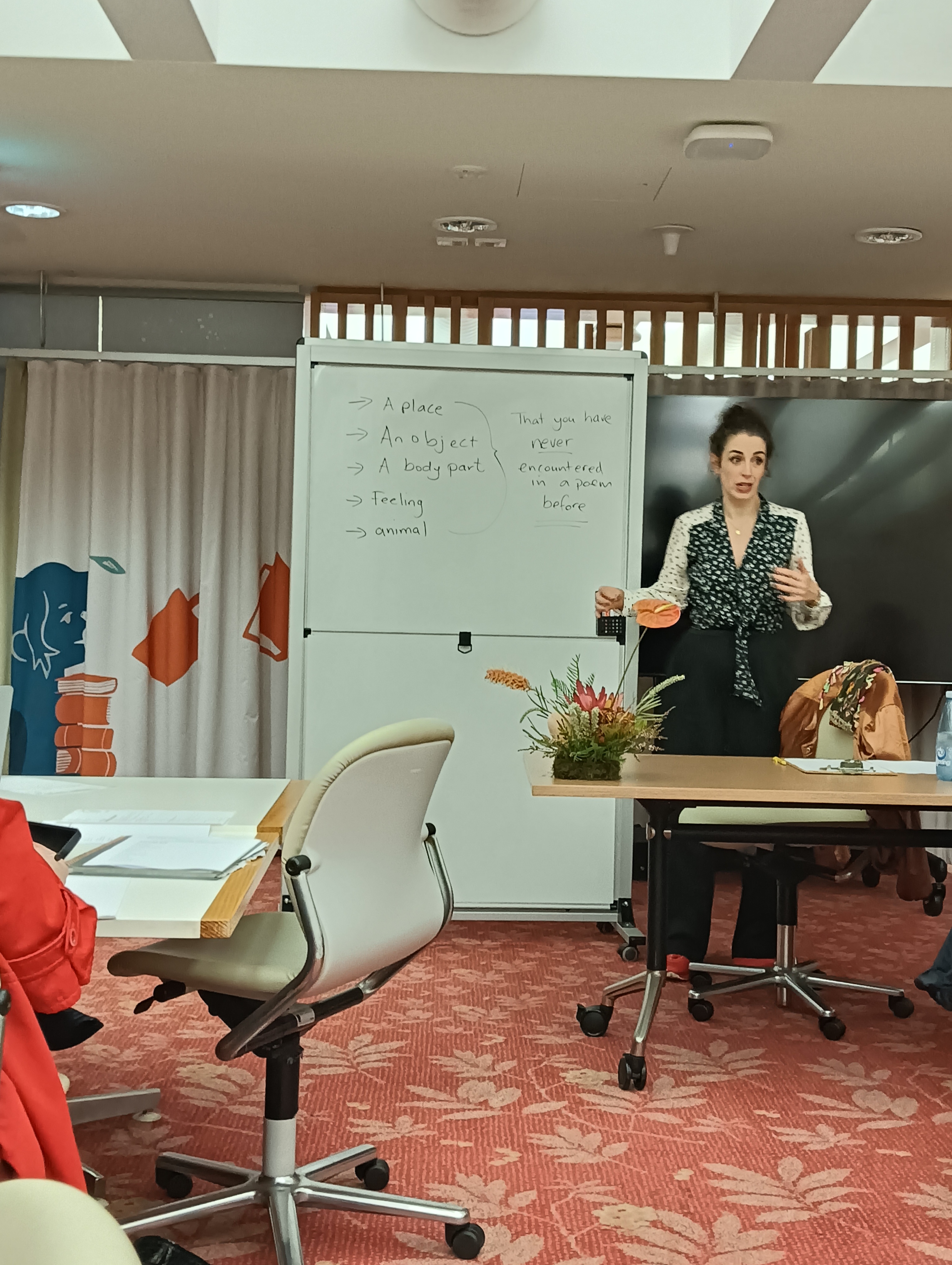
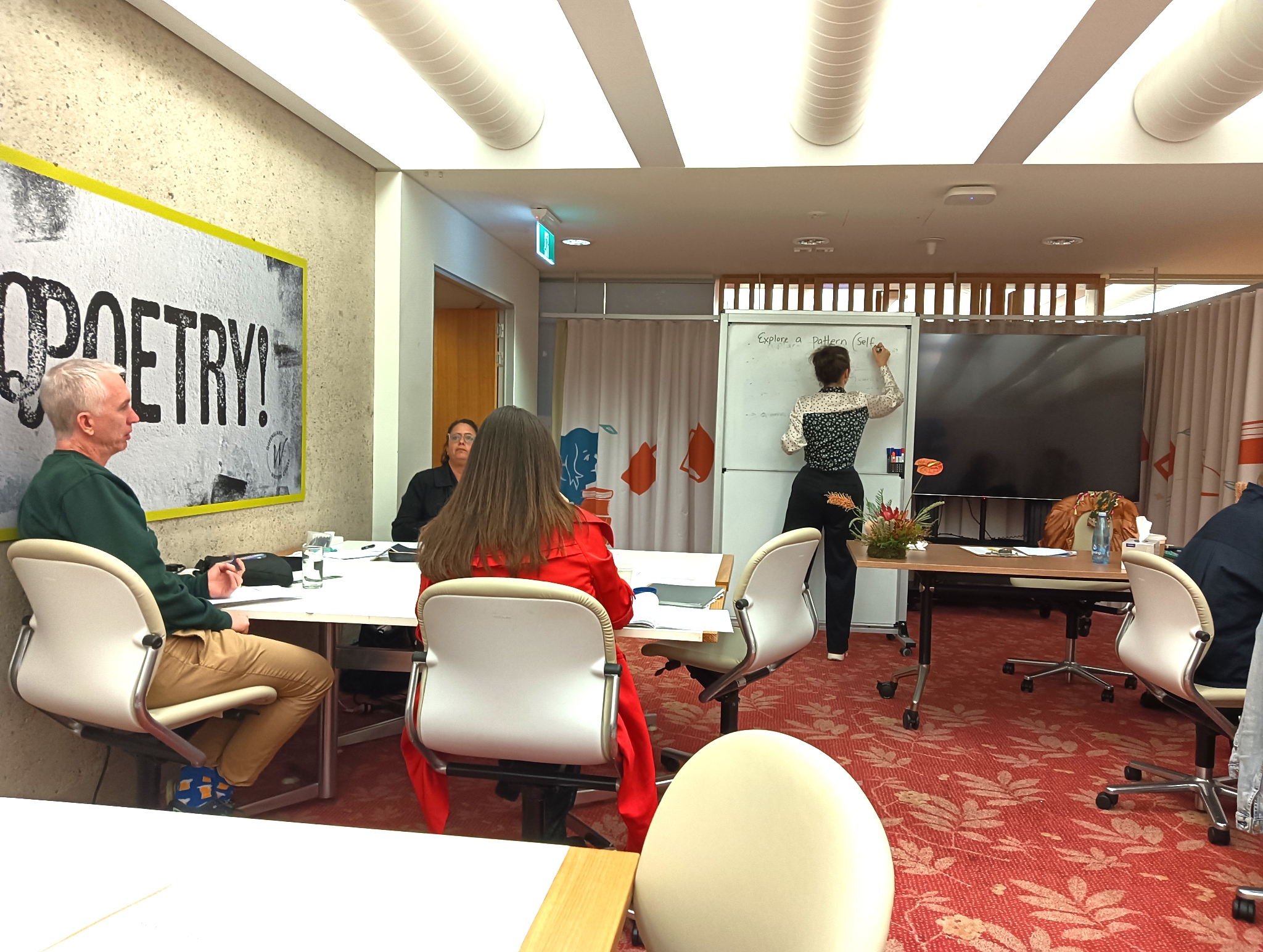
It was brilliant to attend a couple of empowering and enriching workshops with Chris Tse the David Malouf poet in residence for 2025, at the Queensland Writer’s Centre.

These were both held on a Saturday mornings in December 2025.

A shared focus of the two workshops was process, and understanding where we were beginning our journeys at the start of the workshop and what could extend our knowledge and skills by the end of each of our two- and half-hour workshops. A few of us but not all attended both workshops.

As a facilitator Chris drew on the strength and knowledge about poetry, language, practice and cultures, in the room, before adding his personal stories and experiences into the mix, which is a sign of an excellent facilitator.
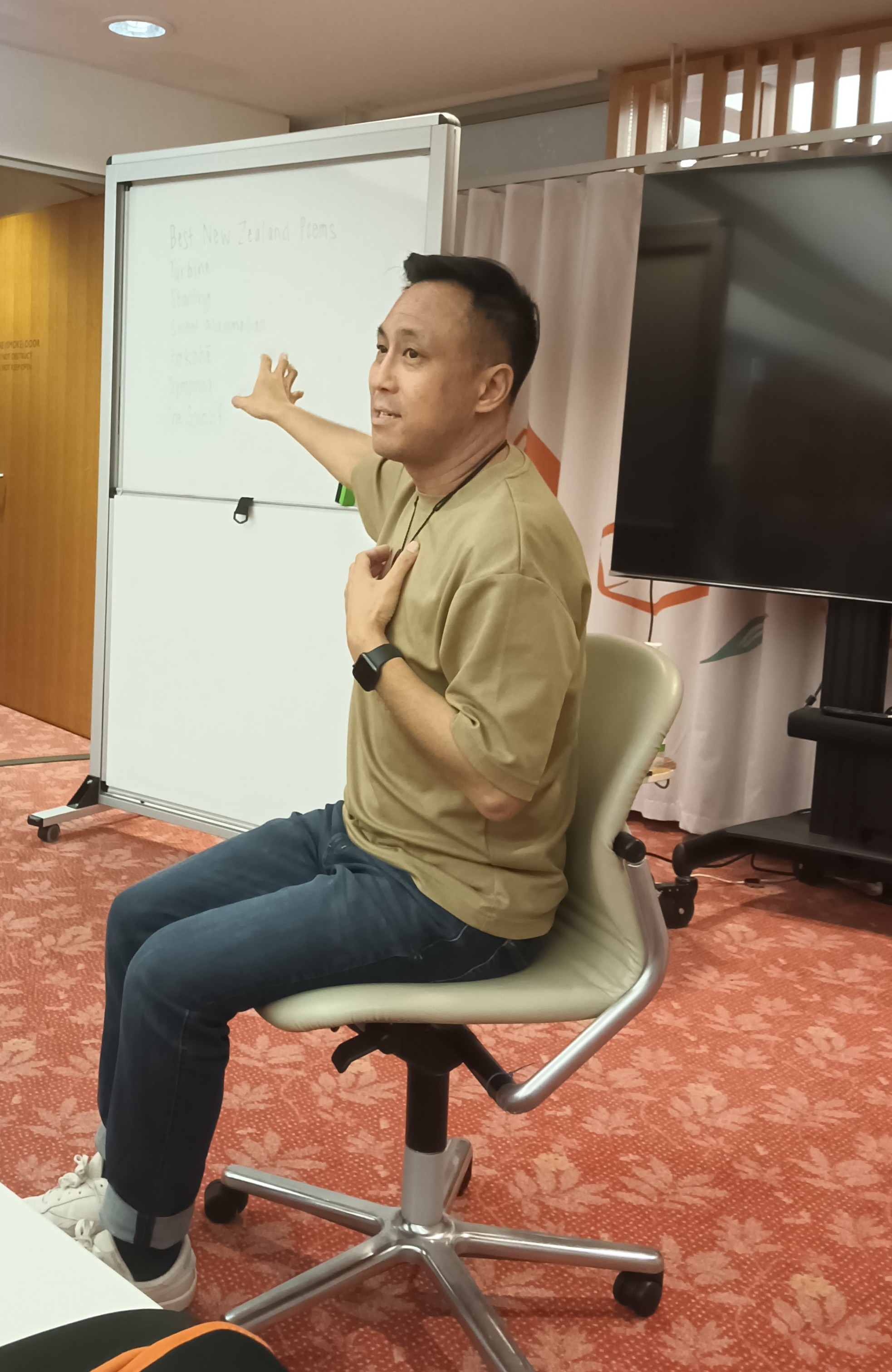
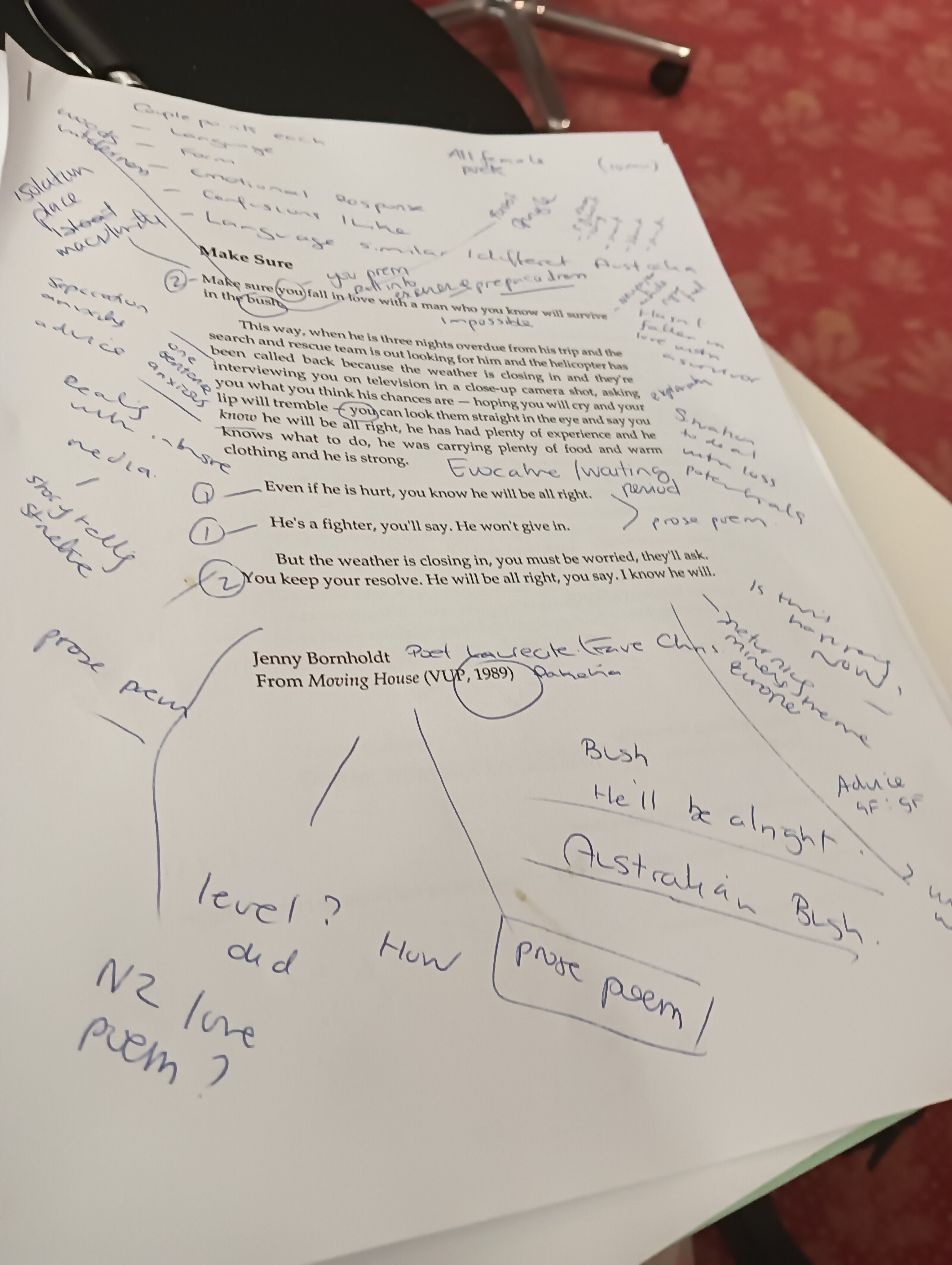
In the first workshop, ‘You speak a my language’ (Men at Work reference) we explored ‘Language’ in a dialogic style, through discussions of language, power, connections, between Australia and Aotearoa/ New Zealand.

In one activity we worked in small groups to analyse three very different New Zealand poets and learnt from these interesting mentoring texts about the forms verse poem, villanelle, and innovative free form poem in which choices about type face were decolonising.
Workshop participants were such an interesting group of readers, writers, and appreciators who keenly shared their connections with this art form and ideas about the potential powers of poetry as well as some of their personal stories.

Participants were an interesting mix of cultures reflective of multicultural Australia, who engaged in a lot of interesting intercultural dialogue including about the things that are so difficult to translate the original phrase is said in English. I especially enjoyed reconnecting with Damon and Alex and spending time with Ellen on some of the reading the poems in depth work.

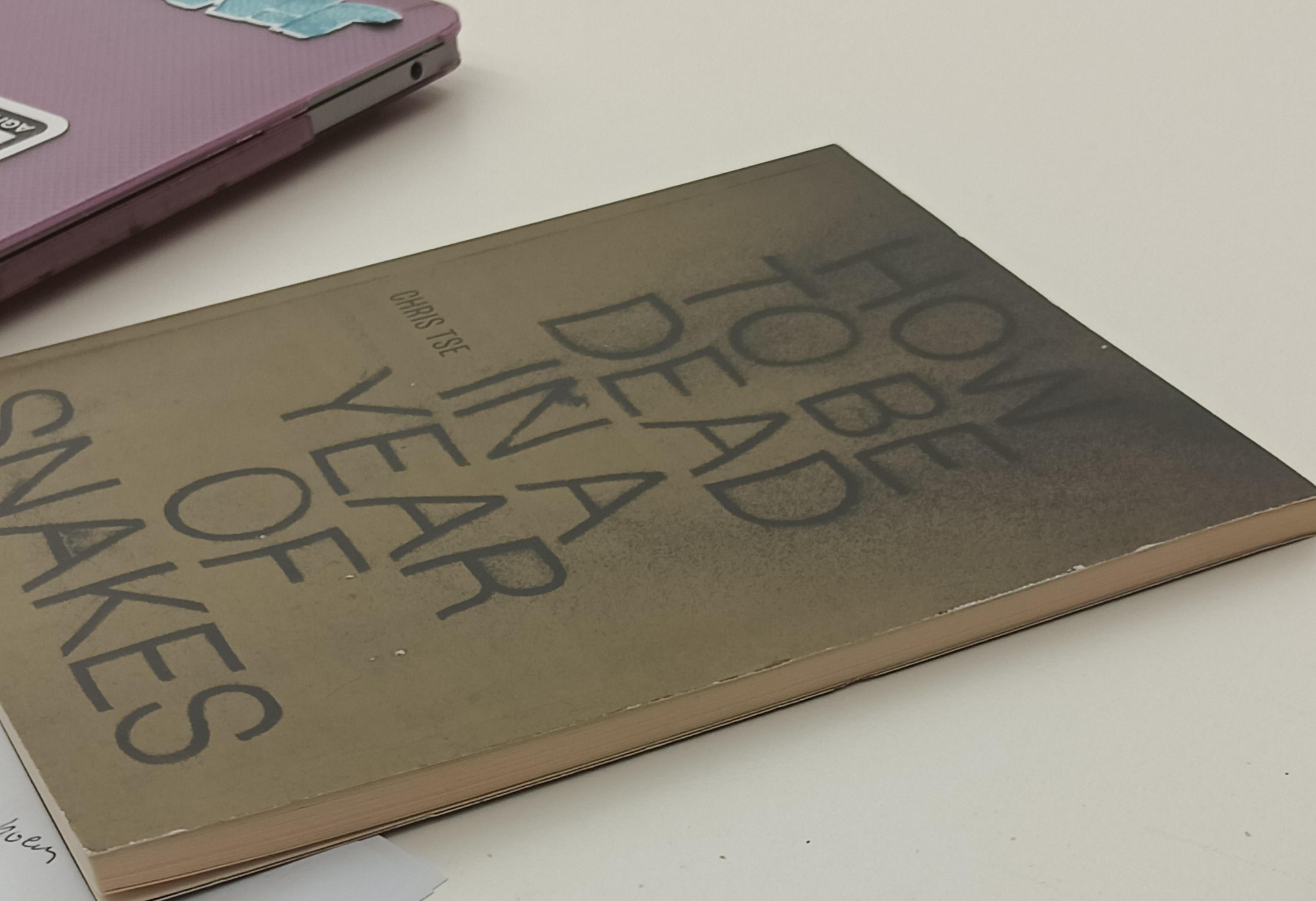
Chris by request, treated us to a reading of his work, from How to Be Dead in a Year of Snakes, at the end of the first workshop.

In the second workshop, ‘We are on each other’s team’ (Lorde reference) we learnt about collaborative poetry and analysed some interesting examples of this.

This workshop was playful and had both breadth and depth. We revisited or learnt for the first time about literary games, as a playful way to generate text to play with. (Noting the poetry magnets in the tearoom of the Queensland Writers Centre) We used aspects of found poetry, erasure, surrealist games and more, as well as looking at theatre poetry examples.
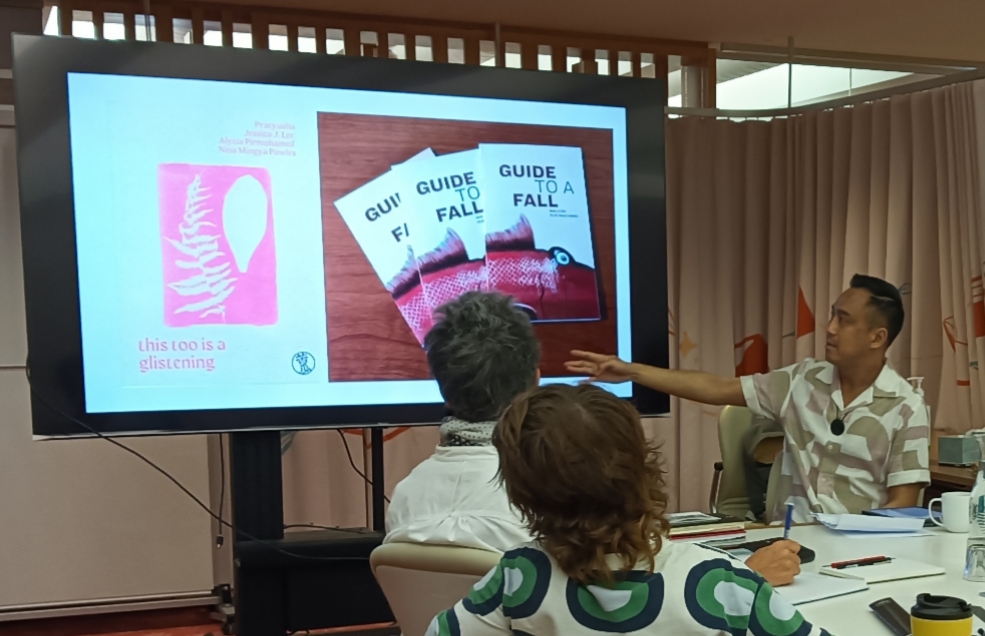
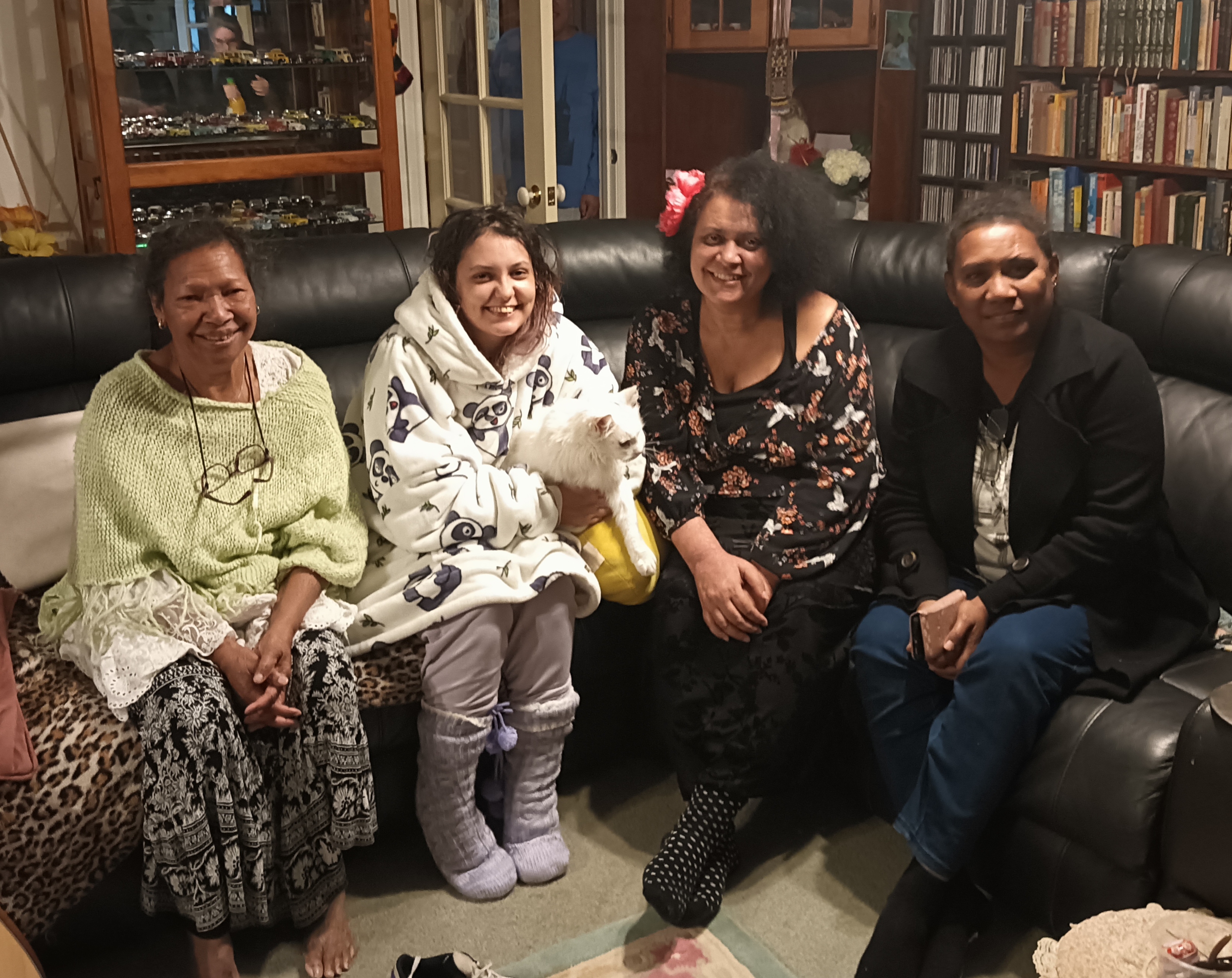
Oplus_0

We looked back at poetry history for collaborations, and biographies of collaborators we might not have heard about, which workshop participants were very appreciative of, as we witnessed the research Chris had put into contextualising the activity of collaboration.

Chris presented us with a couple of interesting case studies and gave us a helpful summary of important things to consider when collaborating, especially the need to put aside ego.

I found this workshop inspiring, for not just my own personal practice, but thinking about my future lessons with high school students and made detailed notes to help me put some aspects of the workshop into my future lessons.

Chris generously was happy for me to do this, to further the cause of poetry with all age groups as we also had conversations during his visit about the power poetry can give to children and youth. He also encouraged us to use the methods in our future practice as individuals and collectives.

There is a kind of collaborative poetry, where mentor texts, and other poets become our collaborators for a new work, and since the workshop I have been expanding my own research into forms that are like this and will be useful as a teacher and practitioner.

Another interesting technique was Chris giving three groups each a different ‘how to’ prompt to collaborate with, to give us time to focus on how we worked together rather than coming up with a topic from out of thin air. Writing prompts can be great for that, as they give just enough structure and freedom to work within time limit constraints.

A special thanks to Abi and Georgia, my co-collaborators for the main practical exercise of the workshop. You both made it a lot of fun, and we had an interesting discussion of what a house means to us metaphorically and interculturally. Although we didn’t really tell you how to lock one, but rather the reasons we felt a house shouldn’t need to be locked and how a safe house felt.

We did however use the power of three, perspectives and a unified clap (thanks Chief from Conference of the Australian Pasifika Educators Network) for your influence on my workshop!

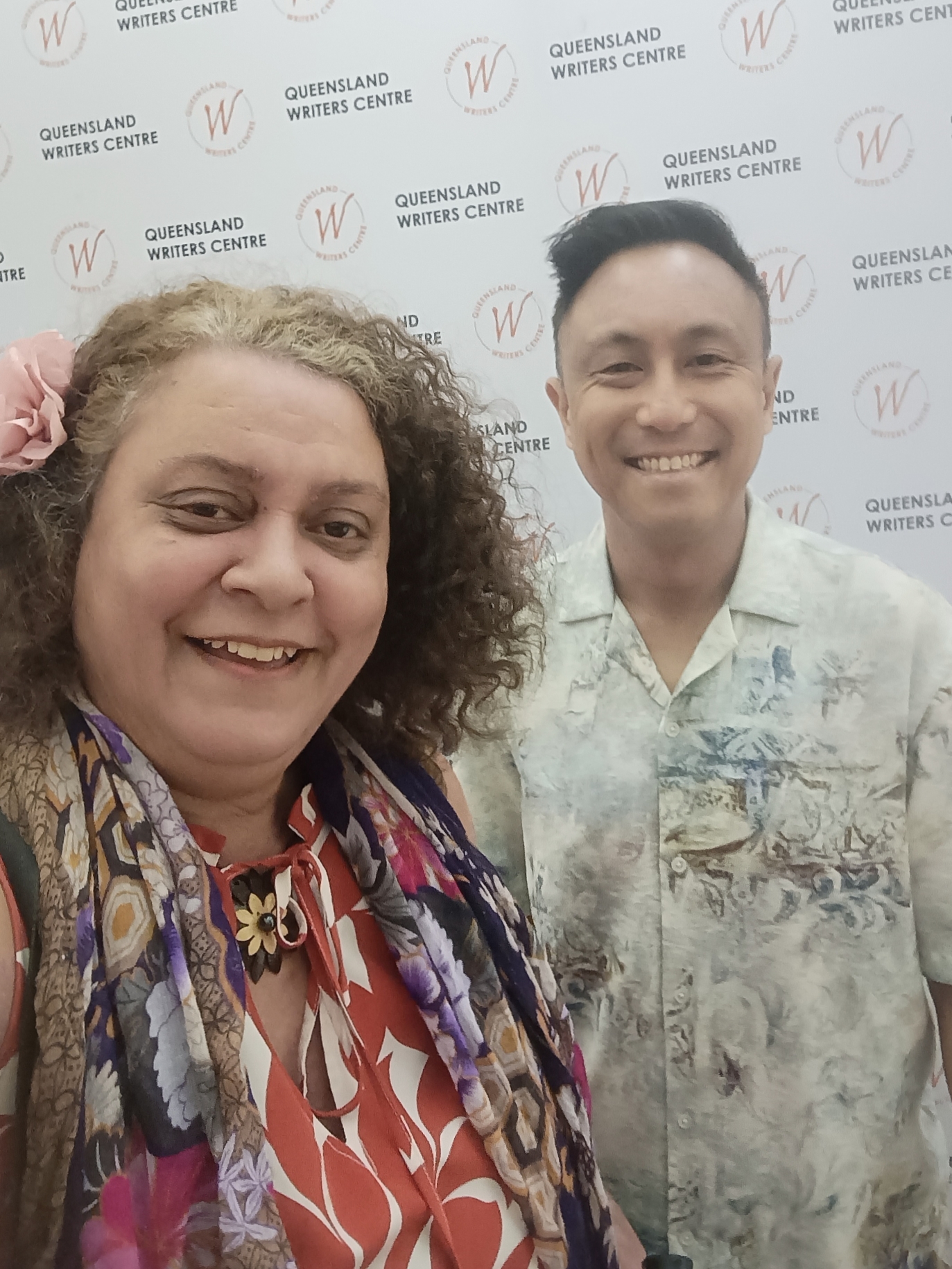
Thanks to Queensland Writers Centre for supporting/ coordinating Chris’s trip for the David Malouf Residency, to our staff members for the workshops, Lizzie and Ryo, and especially to Chris.
Encounters with’our’ Monsters & Irish poets: poetry workshops with Victoria Kennefick

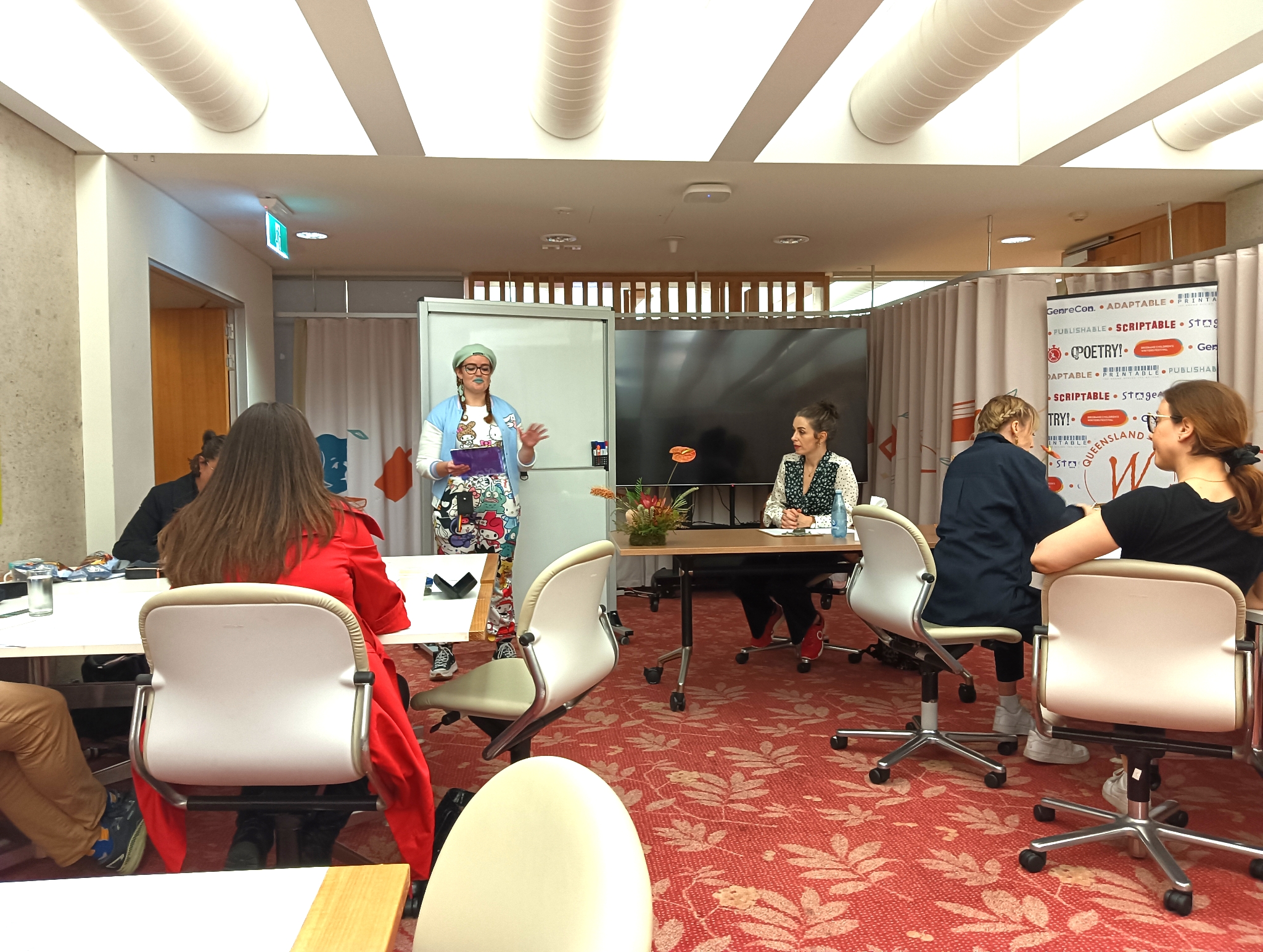
Lizzie introducing Victoria 9th of August workshop at the Queensland Writers Centre.

I am so grateful for the 4000+ words of new creative poems/writing generated from recent Stroke the Monster’s Back workshops with Victoria Kennefick David Malouf Poet in Resident at the Queensland Writers Centre for 2025.

I have potentially 4-15 poems, depending on what I chose to develop from my materials. Workshops always remind me writers need to be careful to not rely on just working alone. There’s so much energy, inspiration, to be gained from spending time with other writers in well facilitated workshops, retreats and mentorships. (Disclosure I have been to some terrible workshops.)

Victoria says something like this, Poetry is democratic, with so many styles – some poets are versatile in style and tone, and others have a unique and specific tone, or might be subconsciously writing on a theme without even realising it as they mine their experience. Some poems are meant to be spoken and heard, whilst others are visual experiences on a page.

Like a couple of other talented poetry teacher mentors I have worked with, she chose not to use any of her own work to mentor us, but her book was available for any of us to buy if we wished. And guess what, she sold out!

Like Felicity Plunkett, she doesn’t want participants to feel constrained in a workshop setting, and think that she favours any particular kind of poem over the other.

I don’t like to share too much detail of the exact content and exercises of workshops because for the creatives who run them they are their livelihood but I do give a few hints to make you curious.

On top of that you need to respect the privacy of the other participants. So I won’t speak about the creative works of some of the other participants, only to say there was about twelve of us in each session, and several of us come to both sessions but not all. Amongst these poets there was diversity, brilliance, some great beginnings, some works remarkably well formed, and other pieces by master poets who will still put the work through its paces and, who carry themselves with incredible humility and like many poets have a vulnerability to them. I’d say 75% were women and 25% male. There were also some Irish Australians who felt they really wanted to attend the workshop with Victoria.

Victoria utilising the white board, poetry hand outs and group and small exercises. August 9th Workshop.

Often within such settings other participants might share their works, although a compassionate workshop presenter never, compels people to share but obviously is happy when they do and able to give feedback, and will set up the safety of the group to make it comfortable for them to share if they should so wish. This might be done through small groups as well as by constructively given critique.

However, what I am keen to share the way in which Victoria generally structured her sessions and the supportive tone she set for us to take risks. As well as her qualities as a facilitator as they will inspire you as a teacher or facilitator as to how to draw works from your creative mentees, in this case adult learners whom she had never met before, in another country.

In each session Victoria ran 4-5 creative exercises with us. Sometimes after some source inspiration, she gave us opportunities for timed short creative writes of 7 minutes. She gave us time to small group share within a pair or a group of three. She harnessed some powerful Irish poets through sharing samples of their work. They were a mix of male, female, working class, middle class – who reflected different styles, and utilised those texts as mentor texts to discuss and model and inspire our writing.

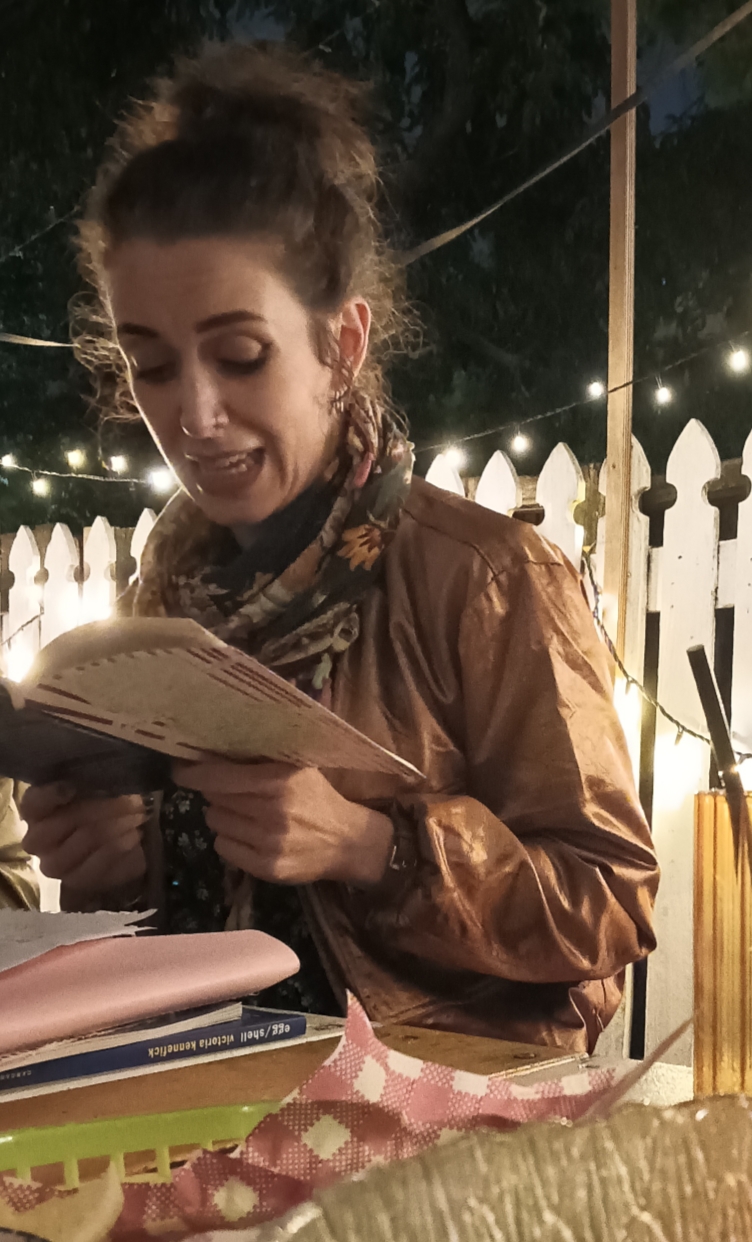
We heard her read at the Open mikes (there were no microphones though, just attentive readers) only after all of us had read (these were held shortly after the workshops, with many of us choosing to go, although some couldn’t make these) and some of us at a Quills and Passionate member Soiree event.

Open Readings, held after the workshops

In our quick creative write responses, she asked us to put our editorial voice, or our critics voice to one side, and just write whatever came to us, if possible scarcely lifting our pens off paper and not worrying about punctuation or anything. We could laptop it or handwrite.

She gave us highly interesting prompts which were often reading poets and reflecting on their work, in discussion and turning to actions like thinking of potentials of things that don’t have many poems about them or something that frustrated us – that cause tension with others. I’ve made note of these and can come back to them in the future. She encouraged us to be brave, creative, and dig deeply if we wanted to.

Sometimes she invited us to read a work, taking two to three contributions from the larger group, listening, and providing feedback, before moving to the next exercise. Sometimes she invited someone else to read one of the mentoring poem examples, and sometimes she read these. Never compelling anyone to do so, but always inviting. She used phrases such as ‘tread as heavily or gently as you need to’ in our free write topics, and gave trigger warnings on some of the poems as well.

Some of the participants preparing for their next creative exercise with Victoria.

She expanded our vision, by introducing poets we may not have known of. In the second session, she began to do some editing and shaping, making suggestions for some things we might do, and she also invited us to be inspired by particular words and phrases in the poetry we were reading.

I truly appreciated this sensitive and interactive approach, and the results it was pulling out of me. I was very taken with the beginnings of three of my pieces, and went home and developed them between and after sessions. For those of us who made the first session, we shared something we had worked on during the week, and our peers gave us feedback. Others could share something they had composed in the new session.

Again Victoria modelled as well as asked us to be constructive in our feedback. We focused on lines we particularly liked, or something that might have stood out to us in the style.

Thanks to the Queensland Writers Centre, Arts Queensland and anyone responsible for bringing Victoria out here to encourage local poets, especially Victoria for enduring a long plane ride to make it here.

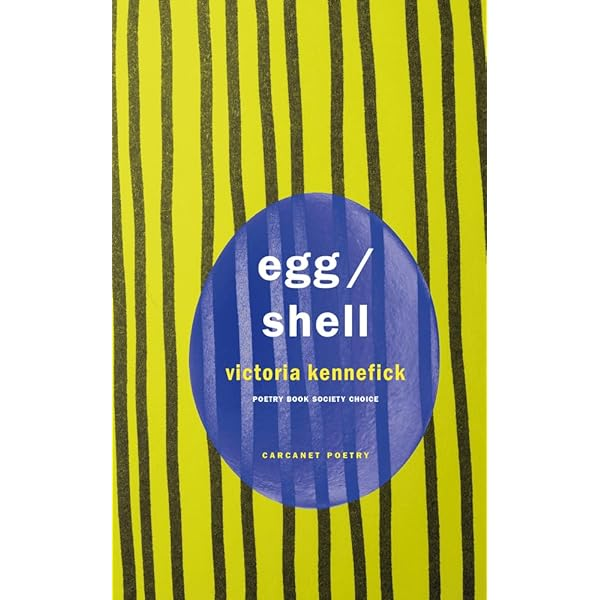
You can purchase Victoria’s collections online at Carcanet Press

More about the magic of open mikes in my next post.

As for what the monsters are on my back they might appear in my next collections of poems.

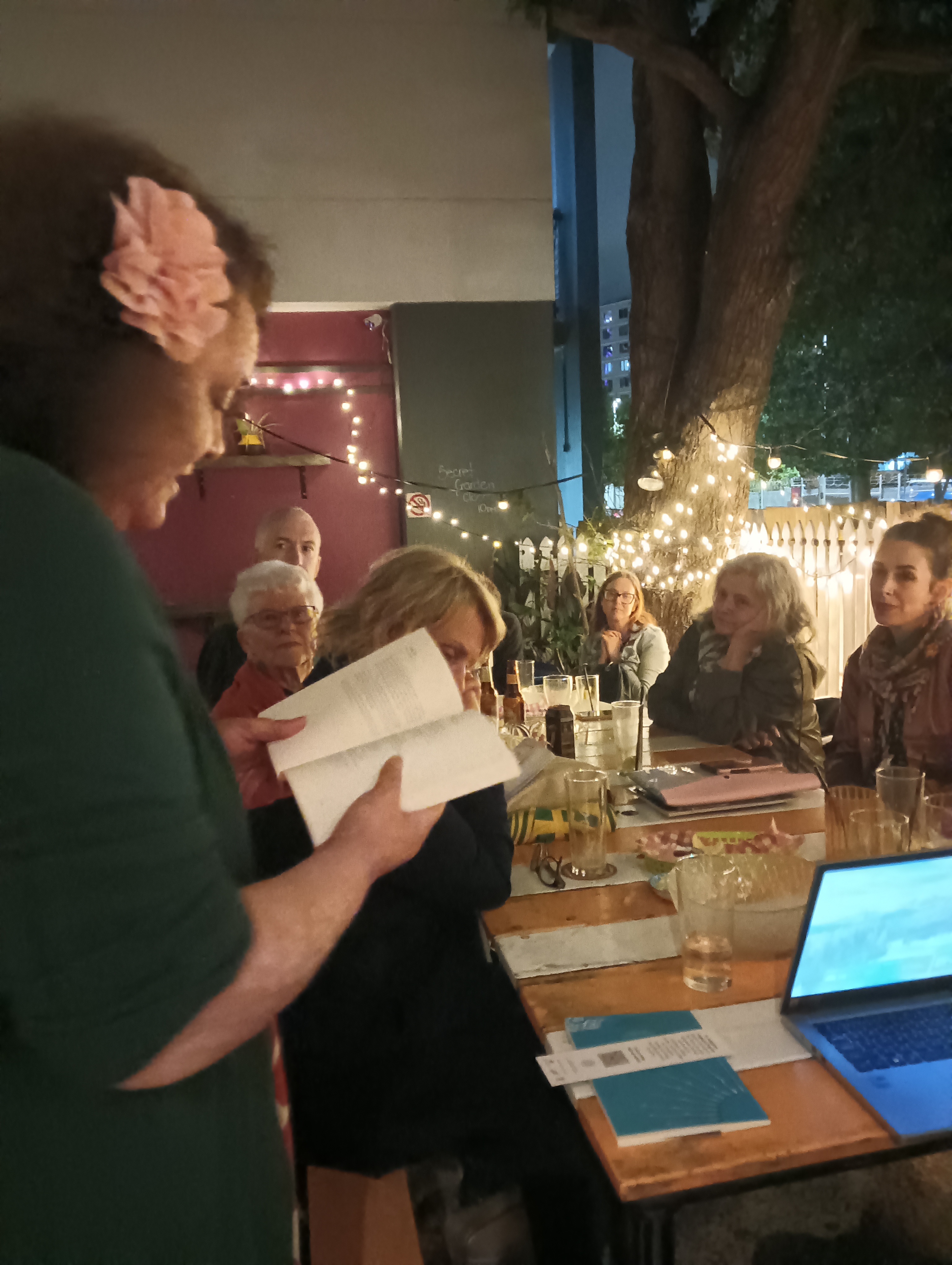
June Reading at It’s Still A Secret, August 9th.

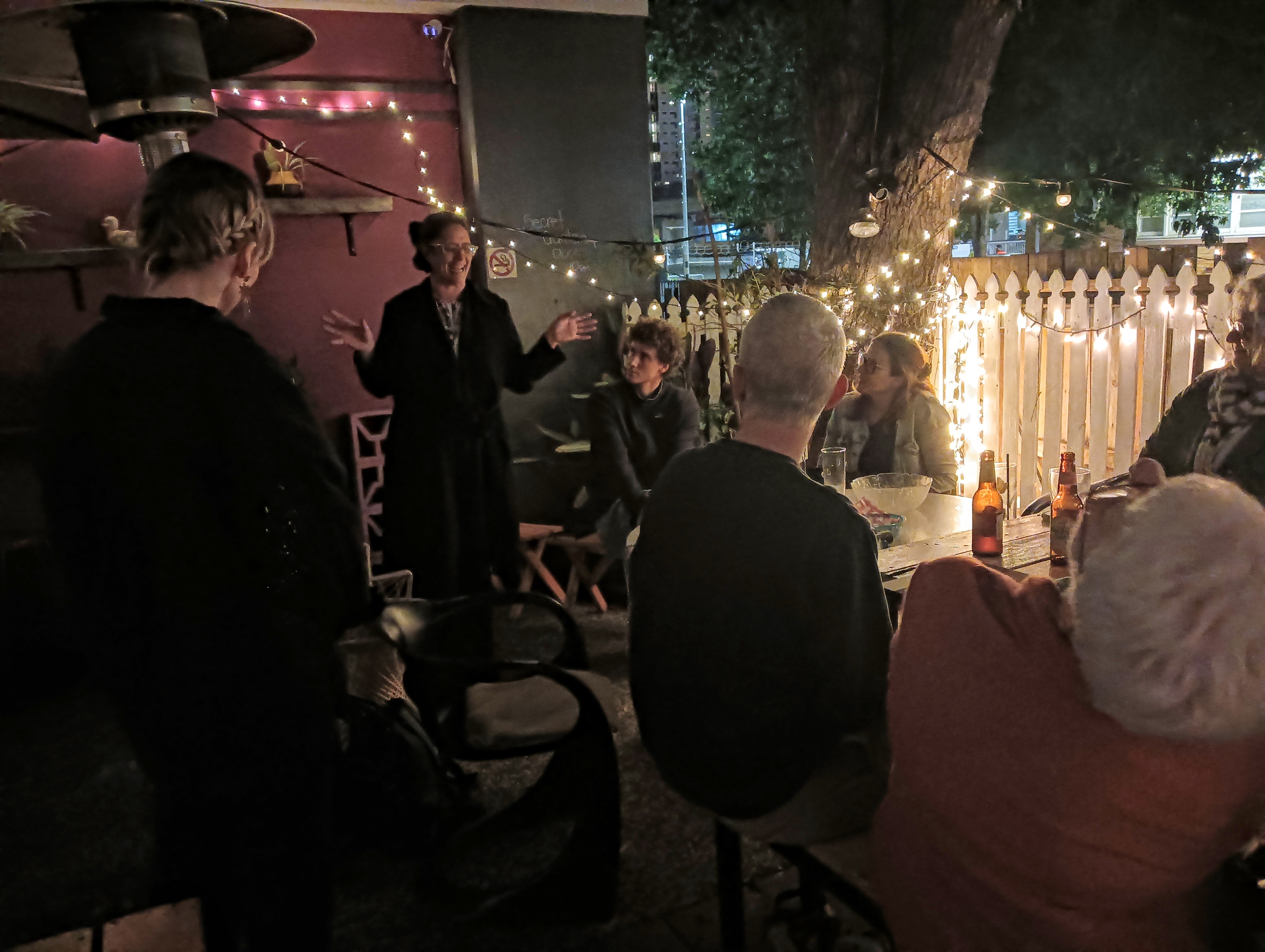
Open Reading at It’s Still a Secret

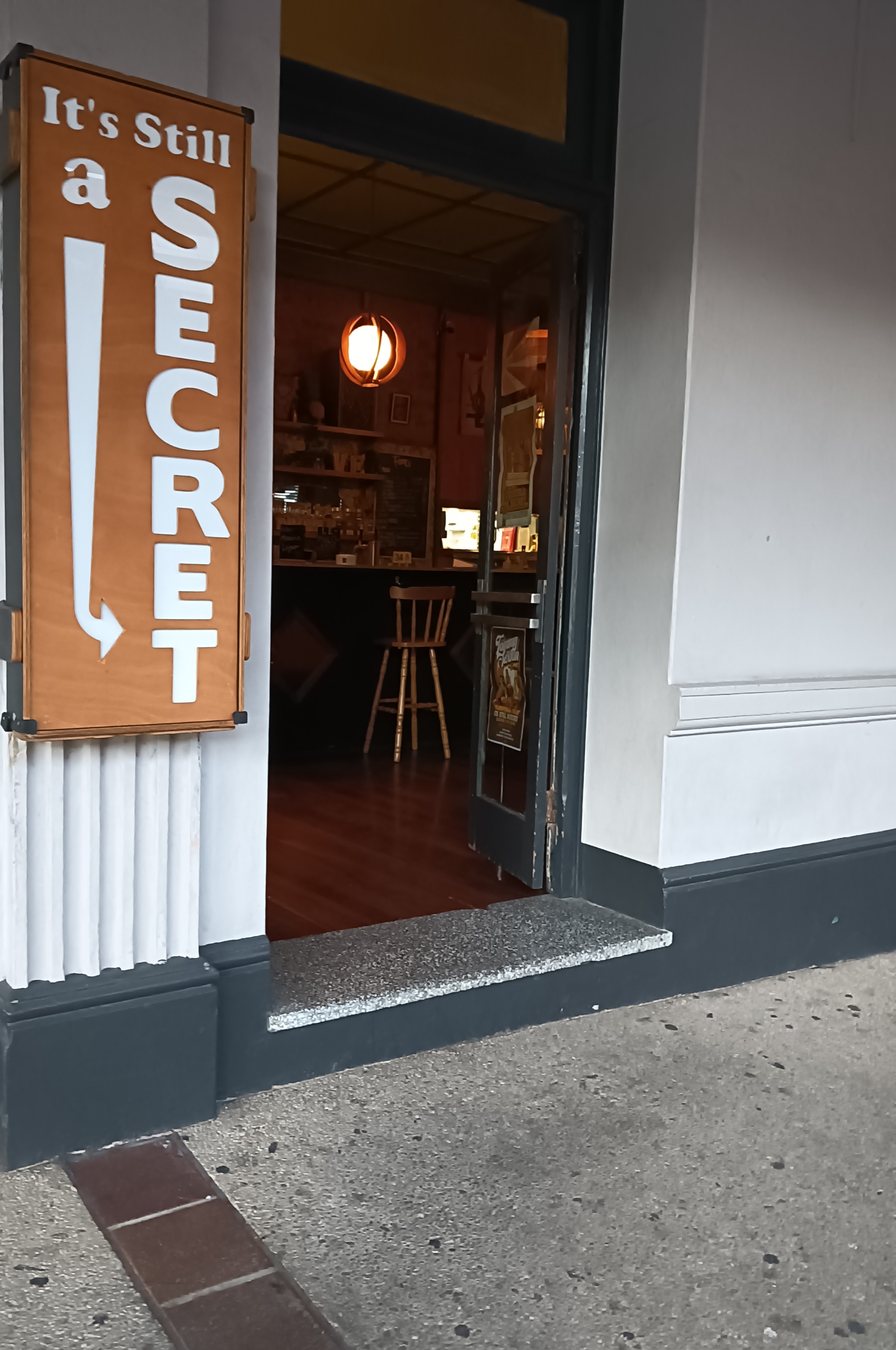
It’s Still a Secret Venue

Last Saturday August 2nd, Brisbane, was an interesting but long day of concentration which, for me, started at 1 pm, with a lunch time meeting with a dear friend poet, Alex, who was also going to be attending a poetry workshop with Victoria Kennefick, David Malouf Poet in Residence. We were having a long overdue catch up. We spoke about how our lives were and of course creative matters.

One of the major topics Alex and I spoke about was dealing with life long household clutter of relatives and sorting it out for the people we love, and another was about experiences in education, my placement and her work as an educator for students bridging into higher education. I often find myself wanting to make notes after we have chatted as she is such an enriching human being. We then both headed off to the workshop, which began at 2.30.

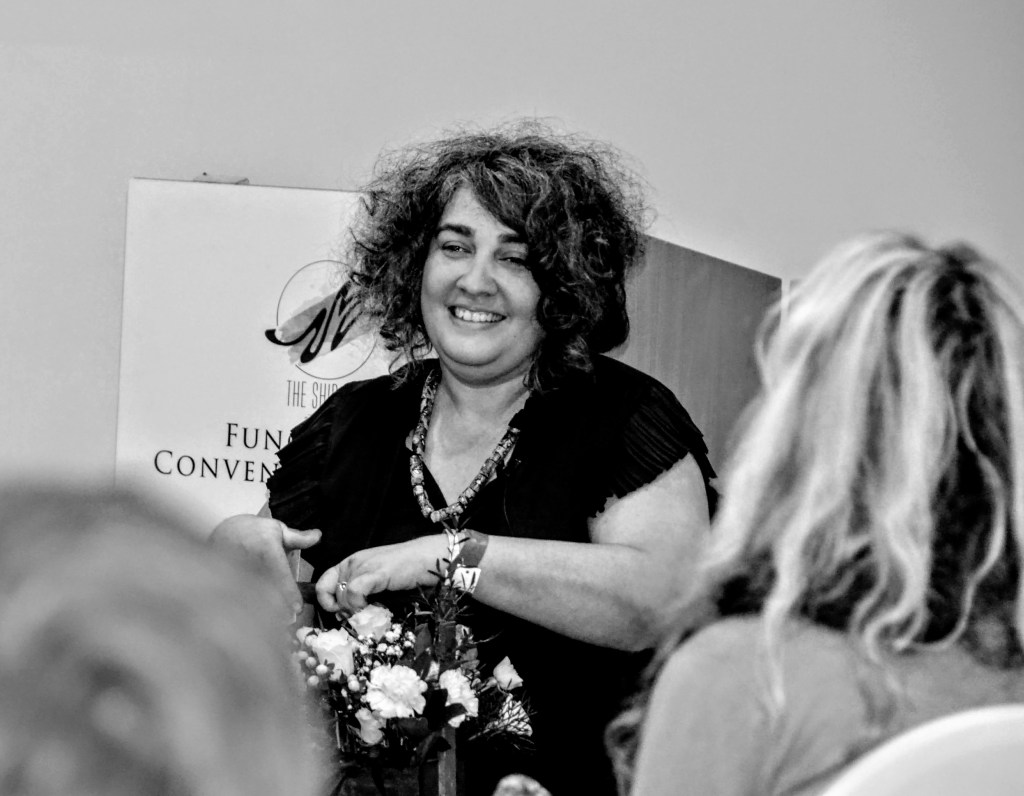
Portrait of Alex

The workshop, of around ten poets, with Victoria was about confronting and writing what we most fear. We then did some explorations of Irish poets as Victoria felt a bit like an ambassador for Irish poets, visiting Brisbane Australia. (She thanked me for letting her know about a multicultural lantern parade which she had gone to). She gave us the opportunity to write and optionally share what we had written as well as to read the poets she had selected aloud. There were some Irish background, now living in Australia writers, in the workshop.

One of the exercises was about not editing what was free flowing out of us, and not censoring it, for fear of consequences, but just writing it. This piece was not necessarily something to share, but to explore our fears and intentions in writing. At the end of the session at 4.30 (after 4 -5 activities and a forage in the Writer’s Centre kitchen/tea room, where there were some welcome refreshments of cake and sandwhiches) we all had some writing we had done to take home and work with, along with a set of poems to read, from Yeats, Kavanagh, Heaney and Boland. We were encouraged to branch out and read more than was in the pack we had been given, perhaps of the poet who might have appealed or challenged us in some way.

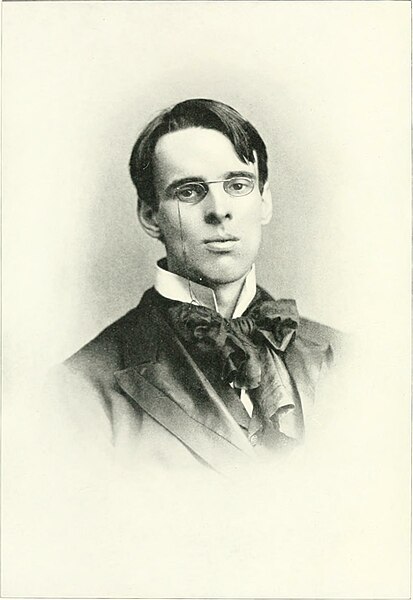
W.B Yeats

We were encouraged to use phrases or words from their works to explore ideas, which were explorations of conflicts and tensions within the poets work. Next session we will begin with some of the works we may have written, and edited, or new ones created.

I always love the anecdotes that relaxed and confident workshop leaders throw into such situations, and Victoria let us know about an early encounter with a picture of WB Yeats which led to her wanting to know all about him, and how he was a hero, but then a more enigmatic figure later, who she both loved and hated, who was a man who feared abandonment. Yeats also has several poems with swans in them including one utilising the myth of Leda and the Swan (which needs trigger warnings on it, for those who may have suffered assault).

At 5 pm mostly the workshop poets, and Victoria, plus LJ and Sandra and a friend of one of the other poets met at It’s Still a Secret, which I have chosen to represent through a free form poem here.

The following is a free flow piece, written in response to attending an open reading at a pub called, It’s Still a Secret. I should note that last week, on Thursday I had a 30 minute scheduled chat with Victoria about one of my poetry projects. After that really inspiring conversation I went home and created a number of collages (scroll to the end of the article to see one) and looked up a poet she reccomended.

It’s Still a Secret Venue

Open Reading

At It’s still a secret
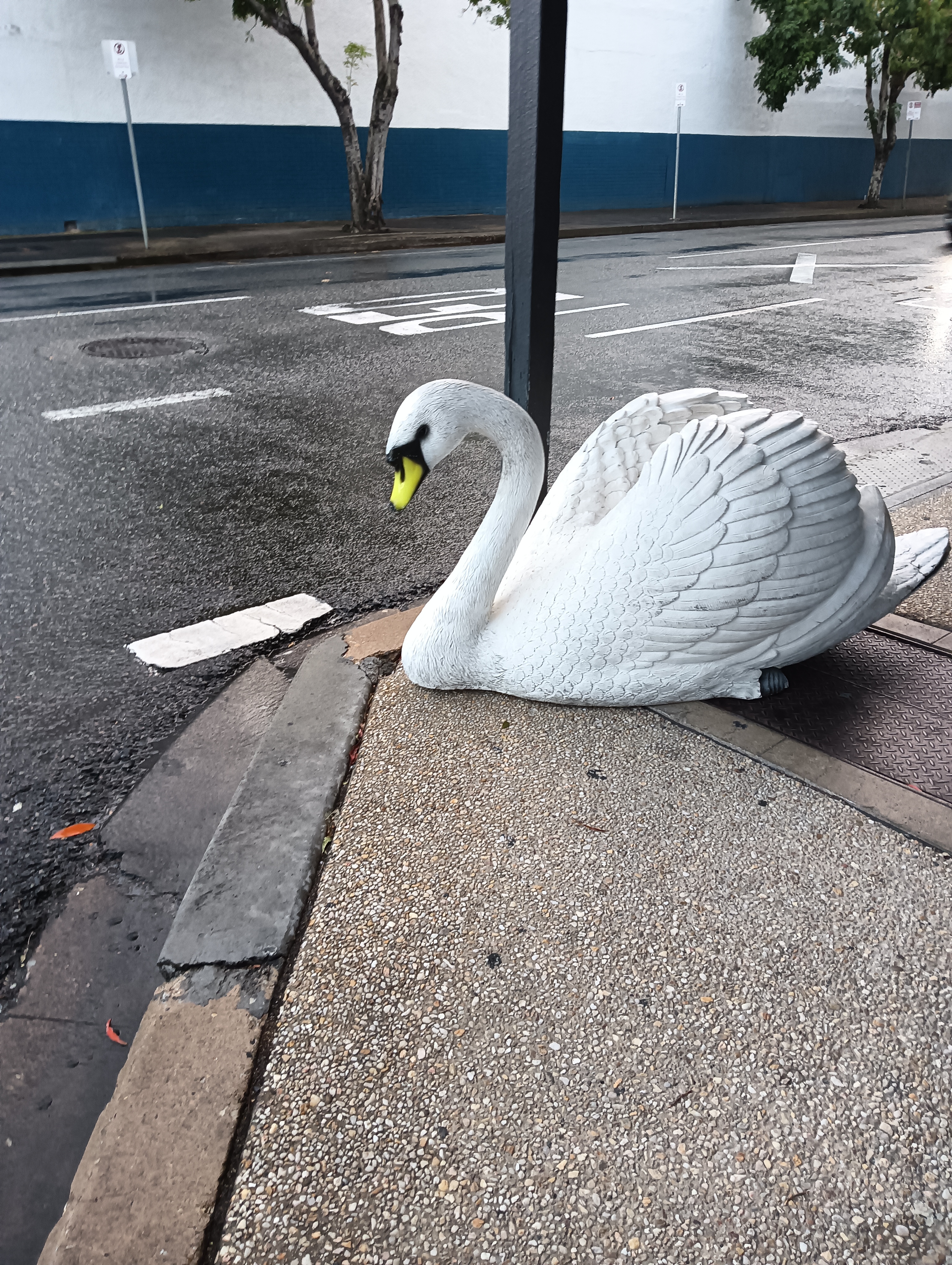
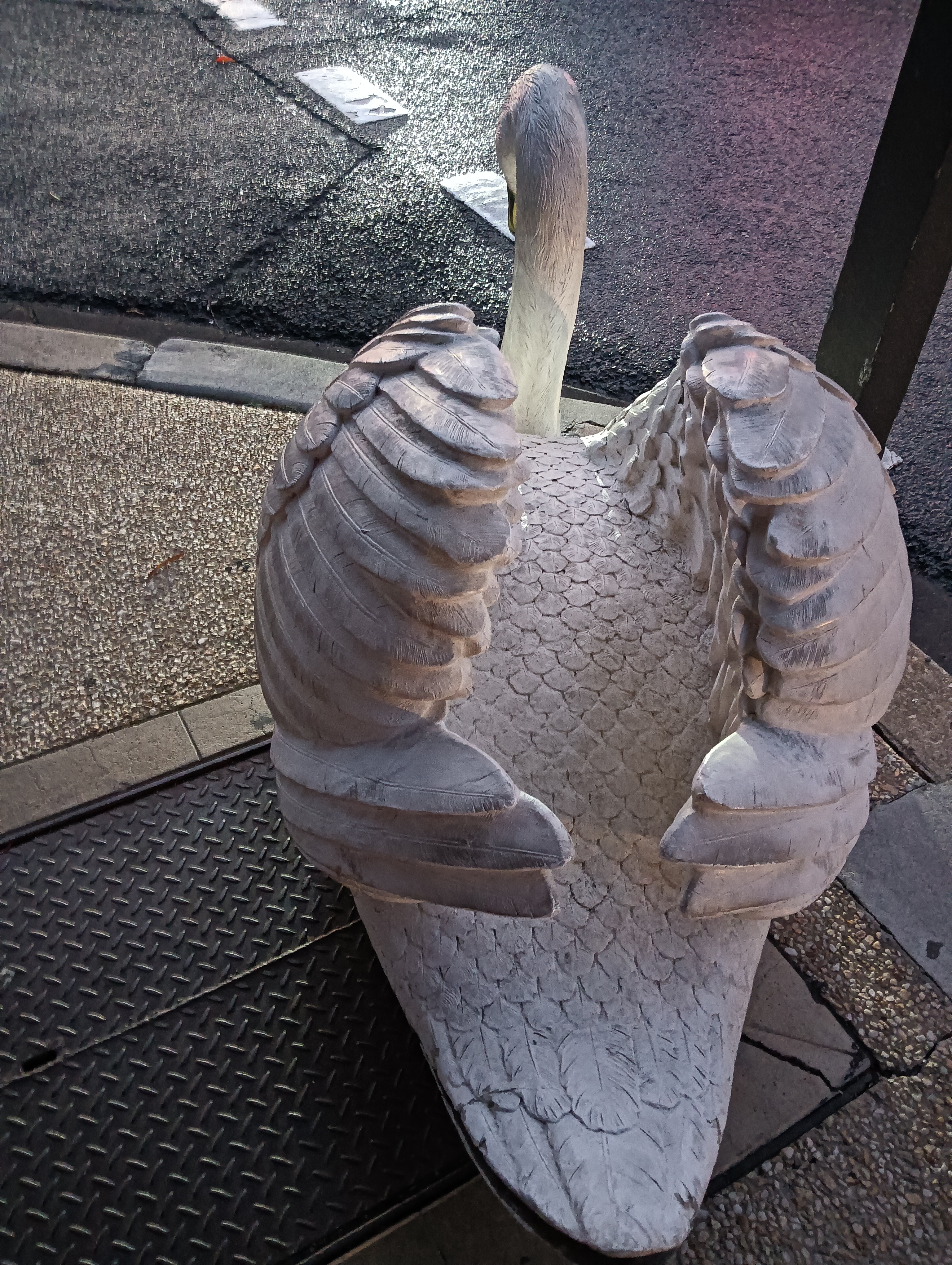
while it rains on the verandah with the swan
& after it stops
under the threaded tree lights
the lamp post heater takes us through a portal
between Australia and Ireland
we feel the power of story & words
& why rhyme & metre for some
are the best way to write & read
poems.

& others need freedom
in lines that free fall & slide
extending metaphors
like pin points of light
sign posts to spasms of pain.

Some reach into specificity
to unfold the universal
lost children, magic of childhood, lyrical trees
blood, bones, bestowals.

But it has to be more than the beauty of sound
more than the cleverness of metaphor
& the turning of meaning
& the killer Sylvia Plath line or
perhaps Yeats, Kavanagh,Heaney & Boland now.

As a poet
I am sifting through my life
so many moments
What will my net catch?
Is it the moments that itch, scratch
burn & scar
into purposeful tatoos...


It’s then I realise from this night I will
remember the story that LJ told
of the writers who still like to use typewriters
and send them for repairs
like David & Yvette
& the phones that become torches for the poets to read by
& how Sandra holds up a phone so I can
read a poem about my mother
crying for one of her lost sons.

Do I have to make small holes in myself
or large ones to find the things
that resonate with readers?
Does a Bird of Paradise headstone mean more
than it seems?
Is vulnerabililty where connection thrives?

I think about the black swans of my childhood
always by ponds
looking into them more deeply now
they are murky & green
& swans might just bite you!

Is it just about resonating with others?
Is freedom the same for everyone who writes?
Do we write for ourselves or for our communities or both?
Am I an Australian, woman, Pasifika - diasporic poet?
Am I all these things? Shape shifting in the moment.


When I write for my children
What is my goal?
Do I give them a small piece of legacy
a trail back to their grandparents
that I never fully had?


My children have grandparent stand ins as
we feel we have to live so far away from the complications
of extended family
I think of Pam at grandparents day for my daughter
& her crocodile farmer husband
who takes us out to see crocodile eggs
how I was able to hear their love story & videograph it
How I can pass my love story & that
of my parents to my children?

Pathways to love
family
patterns broken, patterns remade
still to break
Can I be more specific
speak of the monster on my back?

I write a poem about my mother telling me not
to take the Lord's name in vain & nuns that constrain
about losing the brother I once knew to brain injury
& finding a new one who decorates gumboots
& knows how to smile.

The more you learn of craft
the more you can lean into.

Before I made my own patterns,
I studied patterns,
walking a maze of creativity
until I felt centred.

Sometimes you realise
it's time to throw away the brushes
& finger paint poems
remembering why
in the portrait of the inner child
touch of blue gritty sand
in your hands.

(c) June Perkins

(c) June Perkins.

This collage, is in response partly to The Stolen Child, by Yeats. I have a few other pieces in response to that.

I continue to write this blog to my future self as it is one of the many resources I now know I can turn to as I prepare my first contracted book. Keeping it reminds me to record things as they happen, not just as I remember them and filter them through time.

I don’t always put everything on my blog as some things need to remain private, but I do try and journal that more often, in case I need to find a poetic or fictional way to tackle it.

My blog also is my mandala …

Commissioned Poem

I have a commissioned poem ‘Family Tree’ featuring in the Wonderstruck Wonderers interactive at the QAGOMA. This is my fourth poetry commission (others have been for Story Factory and earlier exhibitions for QAGOMA.)

It is part of the digital interactive – which is presently part of Wonderstruck Exhibition! (28 Jun – 6 Oct 2025)

This is an online experience designed to increase engagement with, and help participants gain a deeper understanding of, select works on display – including Yuken Teruya’s Notice – Forest 2006.

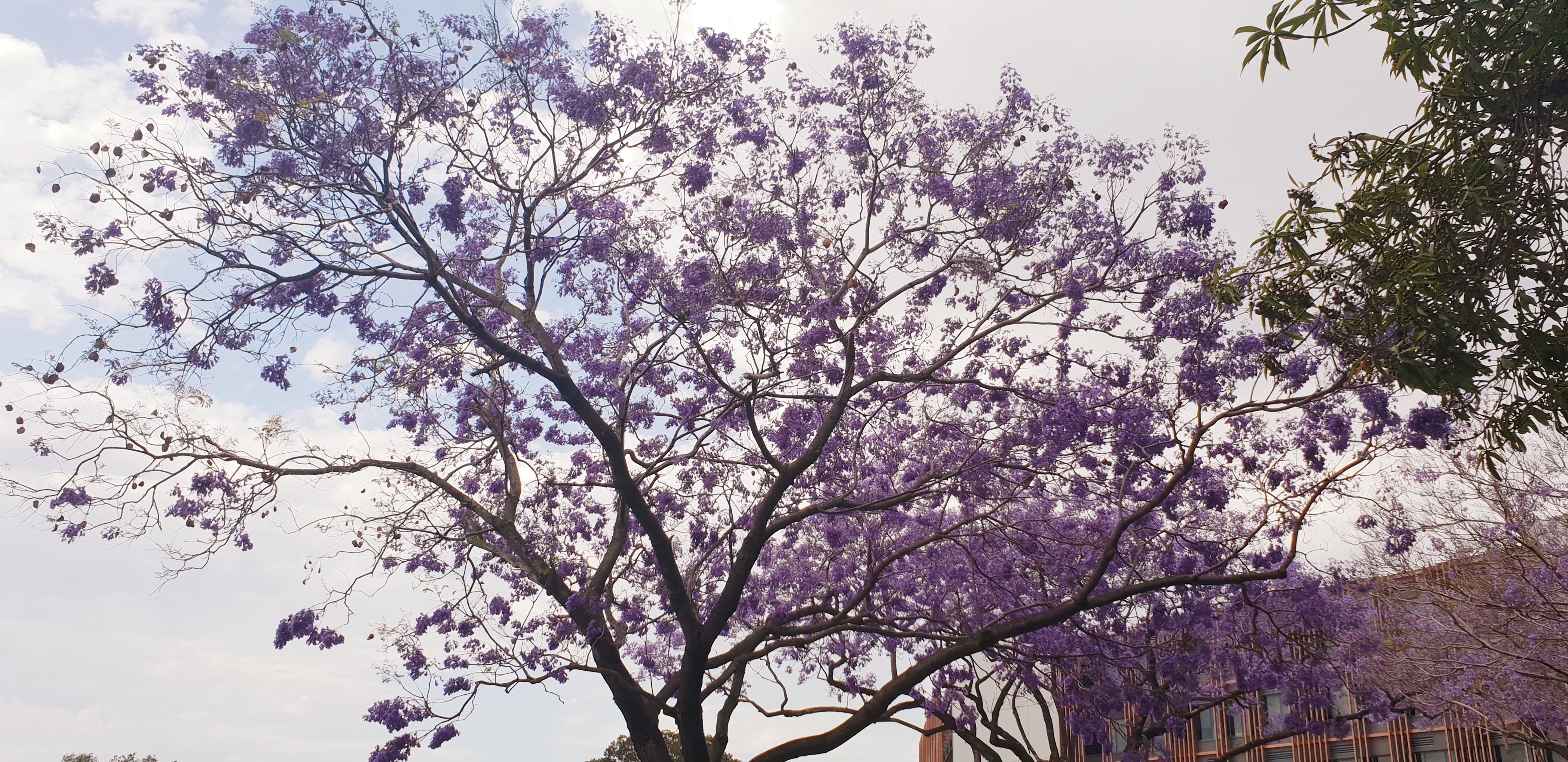
People, culture and connections as well as trees inspired my poem. The Jacaranda makes an appearance as does my Papua New Guinean heritage and ideas about family and identity.

To see the interactive you can visit the following in person or online WONDERSTRUCK

Learn about Teruya’s art work inspired by Nature’s Wonders, and explore the stories by other writers of a range of ages (including me) and then create your own work on a tree that means something to you.

Grandparent, daughter, mother, and cousins – from Family Archives taken by David Perkins

If you visit the interactive or the exhibition, online or in person, please let me know as I would love to hear about your experience.

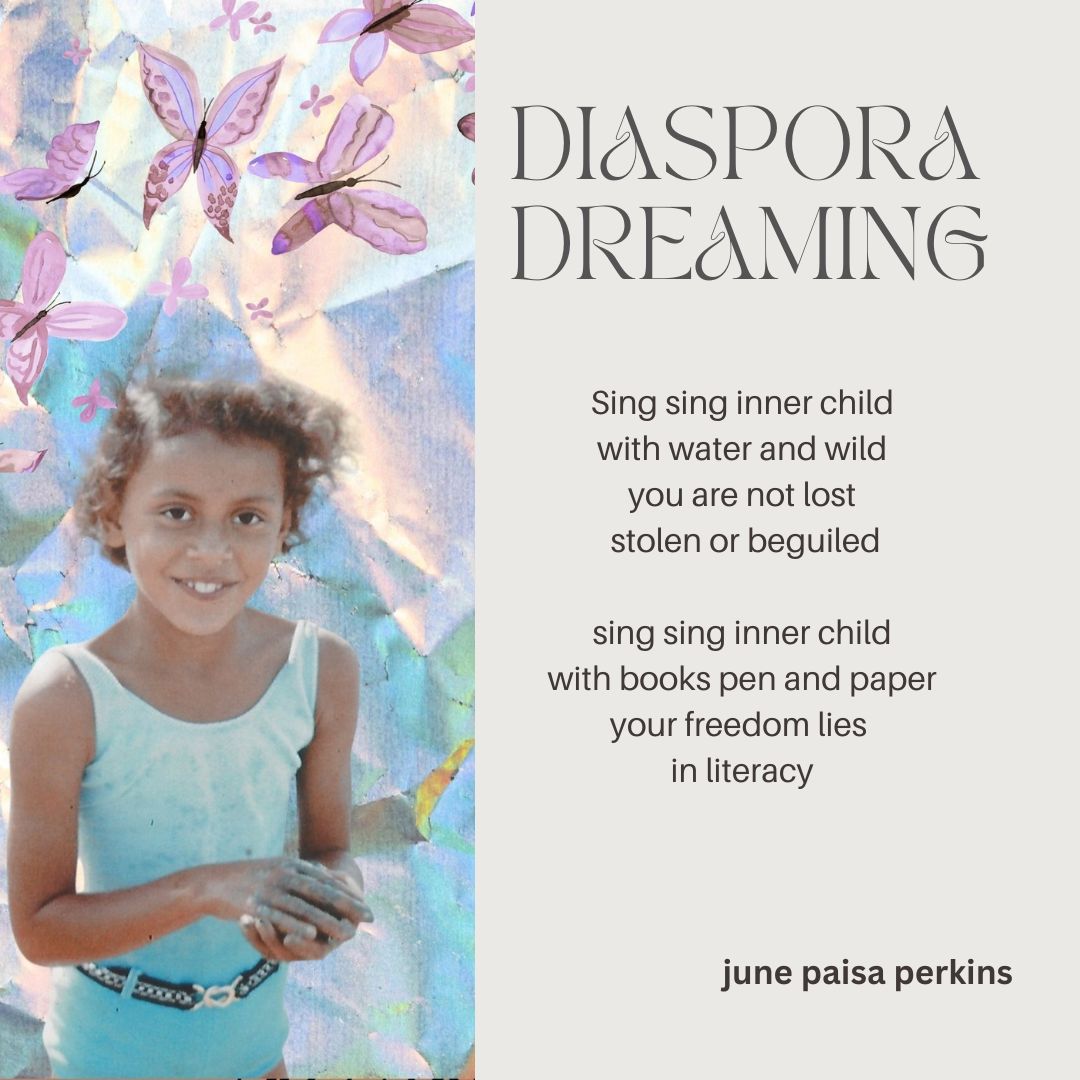
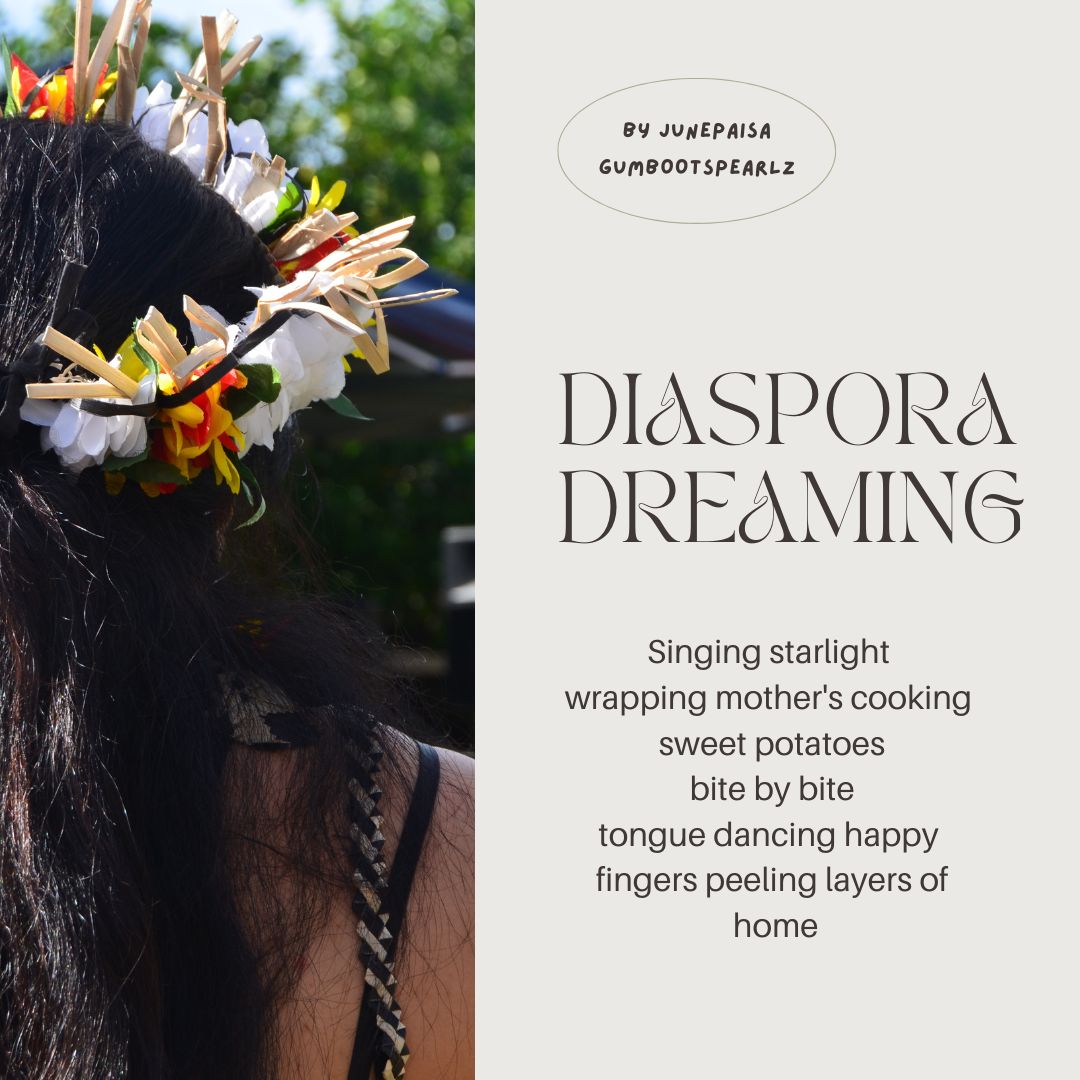
Diaspora Dreaming & the Art of Decluttering

(c) June Perkins

This is a short post, to share the poem above and some brief news.

My Master of Teaching Secondary is finished! The registration process is almost complete and job applications for next year are about to commence.

For the remainder of this year (and when not working next year) my writing efforts are going into several books. They are all at different stages.

One is polished and almost ready to go out on submission to publisher rounds, one outlined and writing draft, one finished and on submission trails, and another in second draft form that is sitting before I begin to polish and possibly being combined into the skeleton draft. And there is another book, not sure where it is in its journey, and am figuring out as it is so precious to finish. This one has been both a series of trials and blessings to work on. One may even have a publisher but can’t say too much about that yet!

This may sound like a lot, but some of the books have been years in the making.

I’ve had, like all authors, a number of promising events became eventual knockbacks, which I call battle scars. Yet my love for writing and its power is no way diminished. I have had a few lovely surprises, one of which was a poetry writing commission.

Presently I dig deeper to understand my identity including writing, cultural and spiritual and the interconnections between them. I’m also experiementing with how to take specific experiences and write them in a way that connect with diverse readers.

I have been deep in decluttering land, and reconnecting with friends after completing my studies – through symposiums, cafe meetings, writing events and creative shows and movies, birthday parties, back yard barbeques, zooms and emailing. It is one of those liminal times.

A couple of months of decluttering has reconnected me with several notebooks, photographs, letters and my written journals of the 1990s. I’ve learnt that chipping away at this mammoth task with mini goals, and room by room has led to an inspiring reinvention of the spaces I work and think in. On top of that my children have left home. I create memory boxes for them and leave them to make their own archival decisions.

I have watched the entire six seasons of Northern Exposure (which I always wanted to watch and just never got around to) and have begun a dream journal. I could devote several posts to episodes of the show. I especially love season 5. Marilyn and Ed are two of my favourite television characters ever!

Whilst my blogs may become interimittent, I feel like this blog was and remains a wonderful tool to create new works. I venture out into substack land and keep up instagram but don’t want to be defined by any of those spaces, but rather like Joel, in Northern Exposure, journey into my inner landscapes.

For anyone else out there, traveling inwardly and outwardly, decluttering, reconnecting and redefining – travel well and remember to wear warm clothes when it’s cold and dream deep to see what will unfold.